PlatinumLongevity.co sells GHK-Cu for laboratory research use only. This page summarizes the published literature. It is not guidance for human use.
What it is
GHK is the tripeptide glycyl-L-histidyl-L-lysine. Pickart and Thaler reported it in human serum in 1973, in a paper on liver cell survival (Pickart and Thaler, 1973). GHK-Cu is the same tripeptide bound to a copper(II) ion.
A later review states that GHK is present in human plasma, saliva, and urine, and that its levels decline with age (Pickart et al., 2015).
PubChem lists the copper complex under the name prezatide copper. It gives CAS number 89030-95-5, formula C14H23CuN6O4+, and a molecular weight of 402.9 g/mol (PubChem). Molecular weights on supplier sheets vary with salt form and with whether the copper is counted. Compare the formula on each certificate of analysis.
What has been studied
The research falls into three groups. These are cell and animal work, a small number of human trials of topical products, and cosmetic studies.
| Line of research | Study type | Size |
|---|---|---|
| Collagen and matrix synthesis | In vitro and animal studies | Summarized in two reviews |
| Diabetic foot ulcers | Humans, randomized, placebo-controlled | Enrollment not stated in the abstract |
| Skin after CO2 laser resurfacing | Humans, randomized | 13 patients completed |
Cell and animal work
A 2018 review summarizes reports that GHK increases collagen, elastin, and glycosaminoglycan synthesis and supports dermal fibroblast function. It cites tissue repair findings in skin, lung connective tissue, bone, liver, and stomach lining (Pickart and Margolina, 2018). The 2015 review lists wound closure findings in rats, mice, and pigs (Pickart et al., 2015).
Both reviews come from authors at Skin Biology, a company in Bellevue, Washington. Readers should weigh that affiliation when reading the reviews.
Human trials
A multicenter, randomized, evaluator-blinded, placebo-controlled study tested a GHK-Cu gel on diabetic neuropathic foot ulcers. All patients also received standardized wound care. Median plantar ulcer closure was 98.5% with the gel and 60.8% with the vehicle (Mulder et al., 1994). The abstract does not report how many patients enrolled.
A 2006 randomized study looked at skin care products with GHK-Cu after CO2 laser resurfacing. Thirteen patients completed it. Blinded evaluators and computer analysis found no significant difference in redness, wrinkles, or overall skin quality. Patient satisfaction was higher in the GHK-Cu group (Miller et al., 2006).
The 2015 review also reports cosmetic studies on skin firmness, fine lines, and elasticity (Pickart et al., 2015).
Regulatory status in the US, October 2026
FDA splits GHK-Cu into two entries by route. One covers needle-based routes. The other covers all other routes.
- Routes without a needle. FDA removed this form from Category 1 on April 22, 2026, after nominators withdrew. On May 5, one nominator said it meant to withdraw only the needle-based route. FDA then put the other routes back in Category 1 (FDA list, May 14, 2026).
- What Category 1 means. FDA defines Category 1 as bulk drug substances under evaluation. It is an interim category, not a final listing (FDA list).
- Needle-based routes. FDA lists this form among substances whose nominations were withdrawn. FDA cites a possible immunogenicity risk from aggregation and peptide-related impurities, and limited human data (FDA).
- Category 2 removal. The needle-based form was one of 12 peptides FDA removed from Category 2 in April 2026. Removal does not make a substance eligible for 503A compounding (Frier Levitt, April 2026).
- Next step. FDA says it intends to consult its Pharmacy Compounding Advisory Committee on GHK-Cu before the end of February 2027 (FDA list).
On August 24, 2026, FDA sent warning letters to sellers of "research use only" peptides. In one letter, FDA said website evidence showed the products were intended for human use, despite the labels (FDA warning letter). That letter did not name GHK-Cu.
What is unknown or contested
- Needle-based human data. The human trials above tested topical products. FDA describes human data for the needle-based form as limited.
- Trial size and age. The controlled human trials are small or decades old. One abstract does not report enrollment.
- Mixed results. The 1994 ulcer trial reported faster closure. The 2006 laser trial found no objective difference from the comparison group.
- Source concentration. The broadest reviews come from one group tied to a skin care company. The 2018 review says new gene data "may explain" the range of reported effects. It does not claim proof.
- Identity. CAS numbers and molecular weights differ between GHK and its copper complex. Check which compound each record describes.
Handling notes for a lab
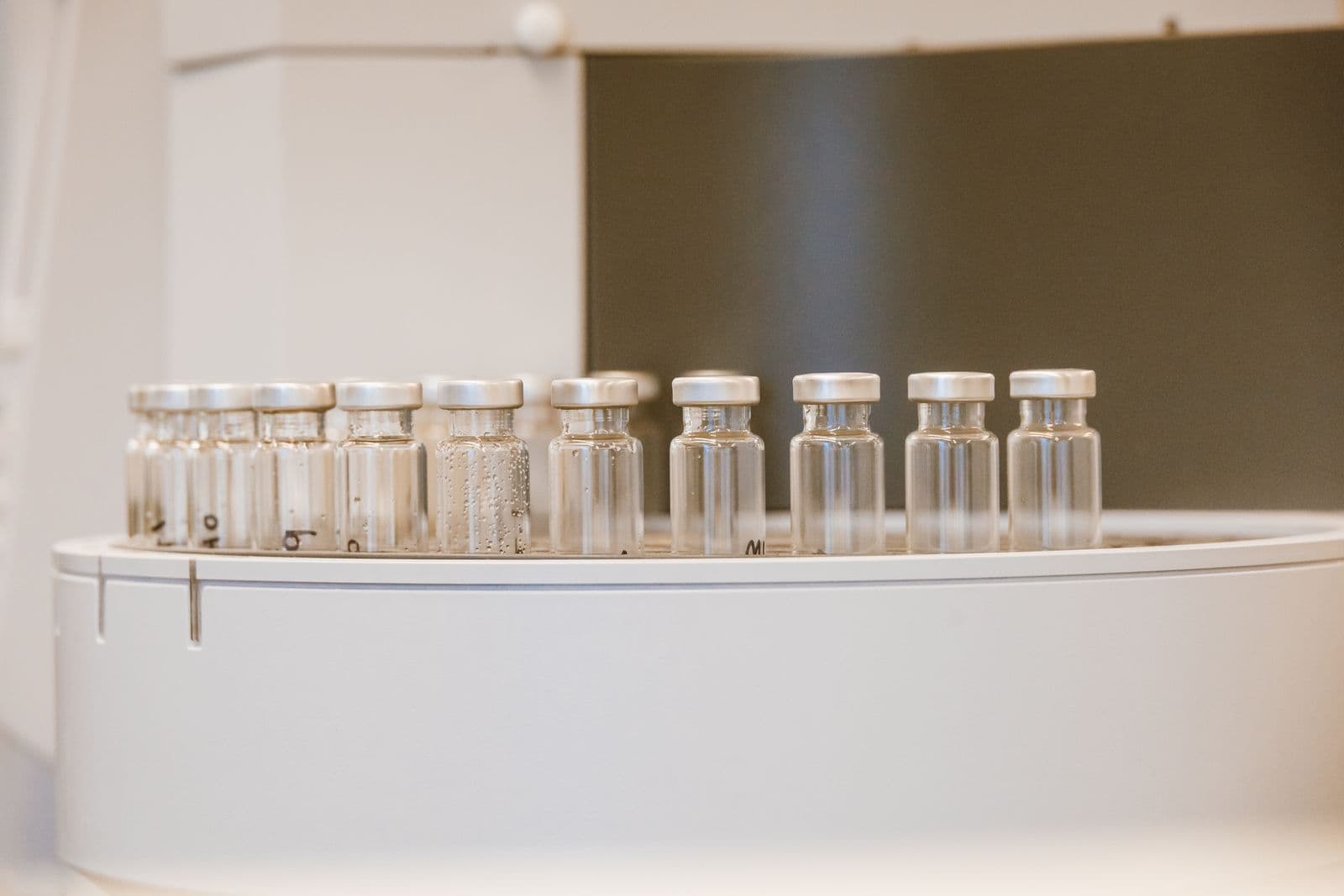
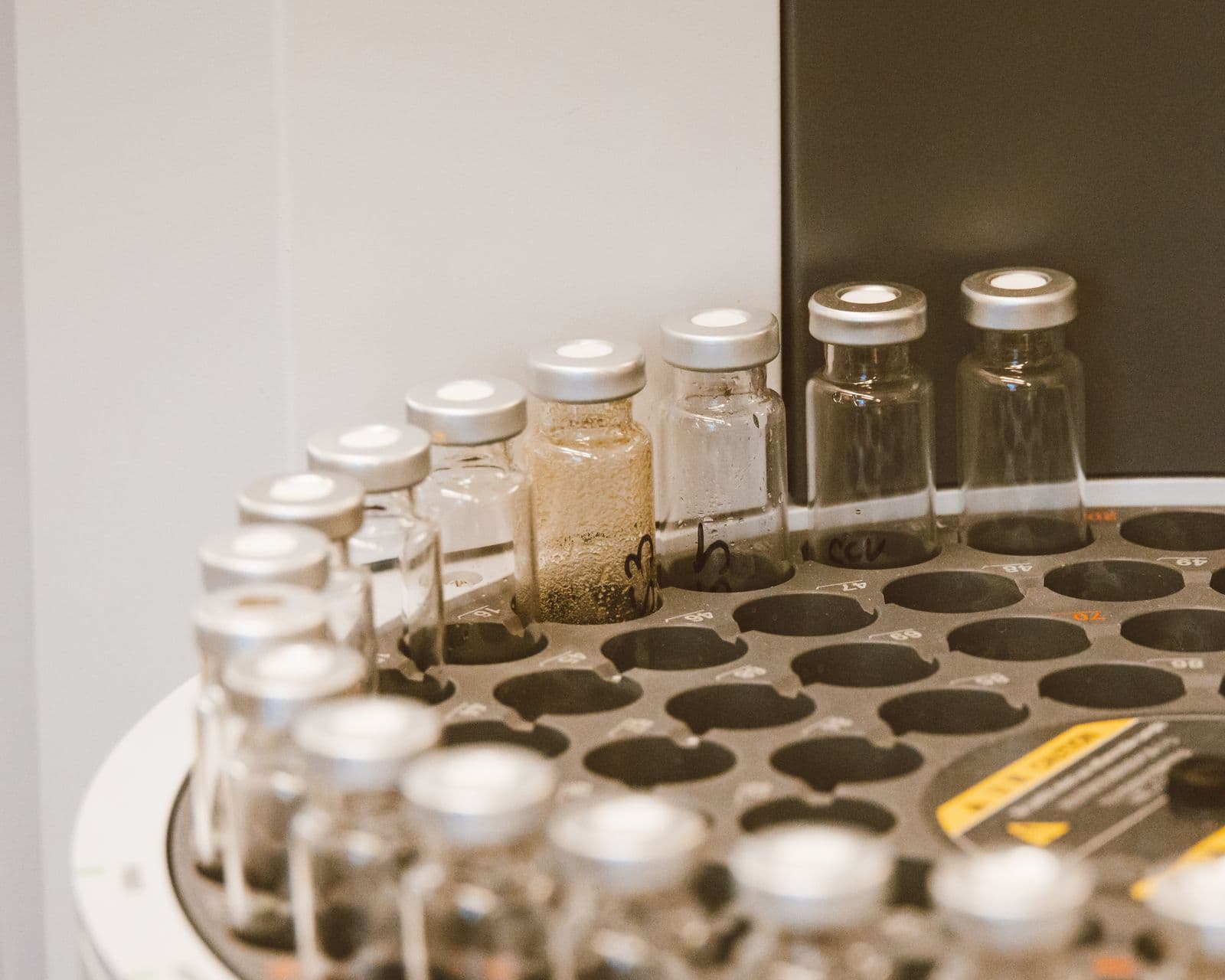
TargetMol lists GHK-Cu powder for storage at -20°C for three years, and solutions at -80°C for one year. It advises keeping the product away from moisture and direct sunlight. It labels the product for research use only (TargetMol). Follow the certificate of analysis for your lot.
Lot documentation and specifications are on the product page, GHK-Cu at PlatinumLongevity.co.
Sources
- Pickart and Thaler, Nature New Biology, 1973
- Pickart et al., BioMed Research International, 2015
- Pickart and Margolina, Int J Mol Sci, 2018
- PubChem, prezatide copper (CID 71587328)
- Mulder et al., Wound Repair Regen, 1994
- Miller et al., Arch Facial Plast Surg, 2006
- FDA, 503A bulk drug substance categories, updated May 14, 2026
- FDA, bulk drug substances that may present significant safety risks, 2026
- Frier Levitt, FDA peptide list update, April 2026
- FDA warning letter, NuScience Peptides LLC, August 2026
- TargetMol, copper tripeptide (TP1158) product page
For laboratory research use only. Not for human or animal use. Nothing on this page is medical advice.